Experienced Local Verona Fence Contractor
Get a regulation-compliant fence in Verona installed to last by certified, insured experts who handle all necessary paperwork, surveys, utility locates, and approval processes. You'll get appropriate spacing, visibility requirements, and easement considerations. We install deeper than frost line with quality foundations, rust-resistant hardware, and long-lasting materials: natural cedar, treated lumber, vinyl, aluminum, or factory-finished steel. Get precise gates, inspections, and documented warranties, plus repair plans and maintenance schedules. Read on for material options, pricing, installation steps, and contractor qualification.
Key Takeaways
- Confirm Verona zoning requirements for setbacks, heights, and sight triangles, and acquire required permits; coordinate 811 utility marking and mandatory inspections before starting work.
- Select long-lasting components designed for your local climate: vinyl, pressure-treated wood, cedar, or powder-coated metal with corrosion-resistant or galvanized connectors.
- Ensure proper professional installation: foundation posts set below frost line with belled footings, proper alignment, uniform panels, and rated gate hardware installed according to code.
- Evaluate contractors by checking their state certification, copyright-issued insurance certificates, track record in Verona, written project specifications, and comparable bids for proper evaluation.
- Deliver complete maintenance and repair solutions: protect and restore wood, fix corrosion issues, realign heaved posts, maintain clear visibility, and comply with pool barrier and visibility safety standards.
Understanding the Value of Professional Fence Installation in Verona
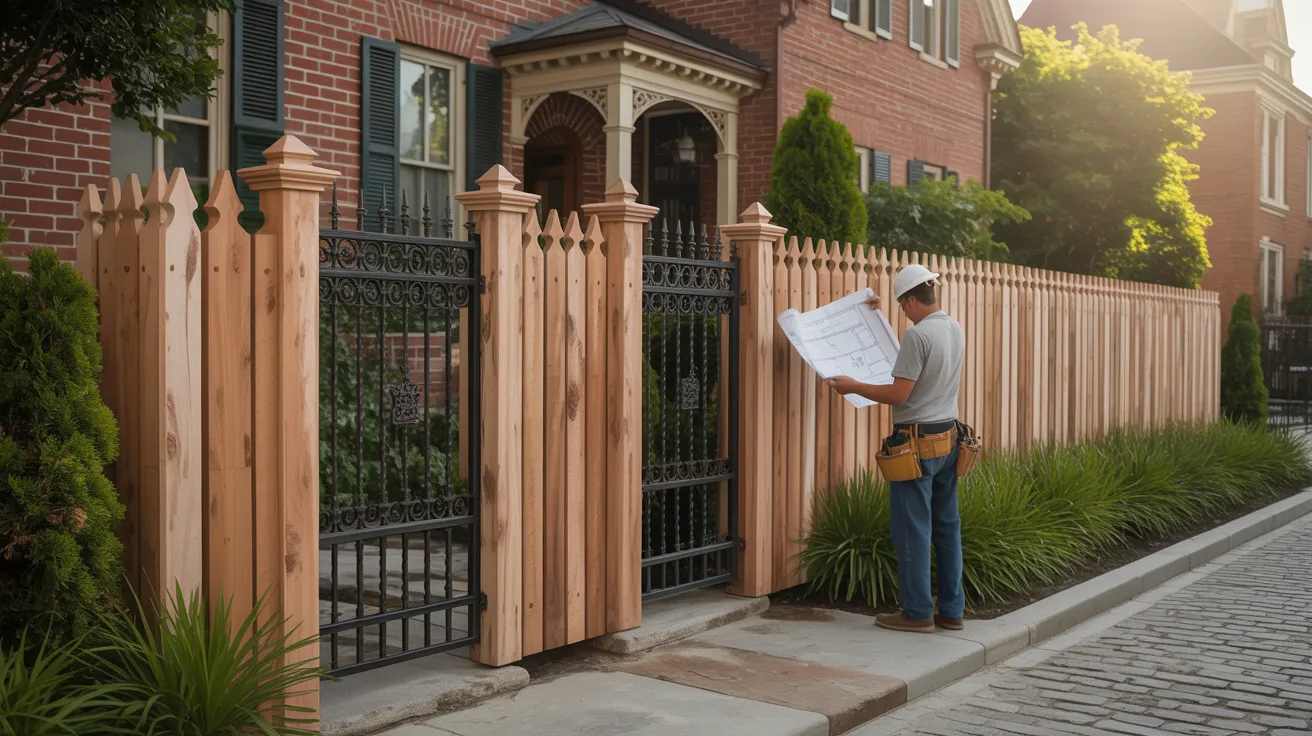
While DIY might seem appealing, professional fence installation in Verona ensures your fence adheres to local requirements, withstands seasonal changes, and adapts to different soil types. You'll receive accurate property line confirmation, correct setback adherence, and properly processed permits. Experts set posts below the frost line, establish effective water management, and properly secure panels to stop seasonal shifting. They pick corrosion-resistant materials, verify underground utilities, and coordinate fence levels for visibility and protection. Installation teams also understand historic district requirements, obtaining required permissions to maintain neighborhood character. They organize work efficiently to reduce disruption, maintain inspection records, and include warranty safeguards matching manufacturer specifications. The result: a durable, properly permitted fence that performs throughout the year, preserves asset value, and avoids expensive fixes or code violations.
Choosing the Perfect Material Choices for Local Climate and Style
With permits and placement finalized, the next crucial consideration is choosing materials-as Verona's freezing and thawing patterns, lake-effect moisture, and varying soil types make material selection critical. Emphasize resistance to deterioration, protection against corrosion, and stable foundation. Pine with pressure treatment provides value, but apply sealant and choose appropriate metal fixtures. Cedar provides natural protection and maintains its dimensions. For minimal maintenance requirements, select modern composites with UV protection, concealed mounting hardware, and strengthened barriers.
Aluminum delivers pristine lines and rust-resistant durability; choose powder-coated, AAMA-compliant finishes. Steel provides enhanced durability; select galvanized components, then powder-coat for durability. Vinyl works well if you choose impact-rated profiles and UV-stabilized resin. For environmental consciousness, eco friendly bamboo panels and posts reinforced with steel cores deliver the perfect blend of style and strength. Always include drainage, helical or deep-set posts, and structural reinforcement.
A Guide to Verona's Property Line Rules, Permits, and Building Codes
Prior to setting any posts, take time to confirm your fence meets Verona's zoning, building, and property line regulations. You'll need to check zoning setbacks for your property perimeter, noting that corner lots typically have stricter sight-line requirements. Make sure to check allowable height requirements, material restrictions, and pool barrier requirements. Should you need a variance, request a variance approval prior to purchasing supplies.
Secure the necessary building permit and, when needed, historic or HOA approvals. Commission a professional survey to identify property lines and map utilities and recorded easements. Position all structures away from easements to prevent removal orders and easement disputes. Notify neighbors prior to beginning work and get in writing agreements on shared boundaries. Call 811 to identify utilities. Maintain required clearance from walkways and fire hydrants. Maintain permits at the workplace and book inspections as specified.
Step-by-Step Fence Installation Process
After obtaining necessary permits and utilities are located, you'll gather supplies, confirm the layout against the survey, and create a taut reference line along the fence run. Start by placing corners, using laser squaring to verify 90-degree accuracy. Space posts per code and manufacturer specs. Create holes to required depth below frost line, bell the base for uplift resistance, and clear loose soil. Set posts in concrete, crown the top for drainage, and adjust to the reference line while plumb holds. Let concrete fully cure. Install rail sections with corrosion-resistant fasteners, maintaining consistent reveals. Mount fence sections or pickets with uniform gaps, honoring height limits and neighbor-facing rules. Hang gates with rated copyrights, install latches at compliant heights, and finish with caps and a clean site.
Common Fence Repairs That Extend Lifespan
After a precise installation, a fence demands targeted care to maintain code-compliant and strong. Begin with regular inspections: inspect pickets, rails, and hardware for instability or decay. Secure hardware, substitute damaged boards, and correct post orientation to maintain panels plumb and gates aligned. Address soil heave by resetting posts in concrete, maintaining proper depth and drainage. For metal components, apply rust protection: clear oxidation, coat bare steel, and finish with a anti-corrosion coating. Oil copyrights and latches to preserve efficient, safe operation. Protect wood yearly with a quality preservative, and hold vegetation pruned to avoid moisture trapping. Level low spots to direct runoff away from footings. Tackle minor damage promptly; small, precise repairs extend service life and preserve structural integrity.
Cost Factors: Understanding Materials, Labor, and Site Conditions
While each project is different, fence pricing in Verona depends on three key factors: materials, labor, and site conditions. Material options establishes the starting point: aluminum, steel, vinyl, and pressure-treated wood each carry unique costs, durability, and code requirements. Additional features including steel posts, privacy panels, and eco friendly coatings improve quality but affect pricing. Labor pricing varies with team size, experience, and following local utility marking, permitting, and inspection standards.
Project estimates often vary based on site conditions. Physical barriers, challenging topography, difficult soil conditions, root networks, water flow concerns, and restricted entry points increase excavation time, concrete requirements, and equipment demands. Special details at corners, gates, and transitions add manufacturing complexity. Minimize costs by using accurate plans, established property markers, and expedited authorizations. Utilize seasonal planning to book during slower periods, lock in prices, and ensure reliable scheduling.
Key Maintenance Guidelines for All-Season Fence Care
Stay ahead of maintenance needs by scheduling quarterly examinations and resolving minimal defects before they worsen. Secure fasteners, verify post plumb, and confirm gate hardware setup. Check for decomposition, metal damage, unsecured rails, and damaged pickets. Document findings and address deficiencies following manufacturer instructions.
Conduct periodic cleaning to eliminate pollen, salt, and other debris. For wood, wash gently, allow to dry, then treat with sealant or stain as necessary; preserve 2-inch ground clearance to prevent wicking. For vinyl, clean with mild detergent; avoid abrasive pads. For metal, clean off oxidation, apply primer to bare spots, and refinish with compatible coatings. Oil copyrights and latches with a weather-resistant lubricant.
Schedule annual inspections to verify base condition, proper water flow around posts, and vegetation-free zones. Keep a clean fence line to decrease moisture and pest pressure.
Improving Security and Visual Appeal Through Intelligent Design
Improve both security and curb appeal through strategic gate placement that manages access and sightlines. Coordinate materials and colors so the fence, gate, and home exterior read as a unified system. A well-designed fence delivers both aesthetic appeal and reliable performance when form meets function.
Strategic Gate Placement
Although a fence establishes the property line, a gate controls how people and vehicles access your property-so positioning matters. Begin with strategic positioning: align the driveway gate with direct visibility to streets, sidewalks, and on-site circulation. Place it to minimize turning conflicts, and check setbacks, swing arcs, and clearance per Verona code. Separate pedestrian access from vehicle flow to reduce risk and better direct traffic. Locate walk gates near front entries, service paths, or mailbox routes, and ensure illumination and house number clarity.
Configure emergency exit paths with hardware that enables doors that swing outward with quick interior escape, while maintaining facility security. Stay clear of poorly lit corners and ground depressions that may cause standing water or frost heave. Check utility locations, drainage systems, and snow storage areas before determining mounting locations and operational components.
Harmonizing Materials and Colors
With gate locations set for safe flow, the next consideration involves the fence material and aesthetic choices-decisions that affect security, maintenance, and neighborhood fit in Verona. Select materials that comply with wind, snow load, and pool-safety standards, then verify height and visibility align with local regulations. For lasting quality, evaluate metal options like galvanized steel or aluminum; for seclusion, opt for closely spaced cedar or composite panels with sealed hardware. Coordinate material and finish with the home: use color gradients that progress from facade to landscape, and incorporate texture pairing-smooth metal with textured stone, matte composite complementing brick-to create visual harmony. Use anti-tampering hardware and locking latches in matching finishes. Choose factory coatings for longevity, and ensure open visibility at corners for safe pedestrian and vehicle areas.
Finding a Licensed, Insured, and Local Fencing Professional
Although design and materials matter, begin by checking credentials to secure your project and property. Verify state licensing through Licensed verification portals and ensure the business details and status match the proposal. Obtain certificates of insurance for general liability and workers' compensation; have the copyright email you directly. Verify bonding status when required by Verona or county code.
Start with proximity. A nearby professional understands Verona zoning regulations, property line restrictions, and utility location requirements, which helps avoid delays. Request recent local testimonials and inspect recent projects to verify proper alignment, footing depth, and hardware quality.
Request a detailed scope specifying: materials, post spacing, footing requirements, hardware for gates, building permit coordination, utility identification, schedule, and warranty details. Evaluate all proposals systematically to ensure fair evaluation and insist on formal change requests before any work begins.
Common Questions and Answers
How Much Time Will Fence Construction Affect My Yard Access and Pet Schedule?
Plan for disturbance lasting 2-5 days, depending on material, length, and terrain. You will lose full yard access during post installation and panel setup, and will get back partial access via temporary paths. Make arrangements for pet walks and bathroom breaks, and employ pet kennels or indoor containment when gates are off or concrete cures. Make sure to mark utilities, lock gates nightly, and coordinate crew arrival schedules. You'll decrease downtime by staging materials, clearing obstacles, and verifying weather-dependent cure times.
Is It Feasible to Install Fences in Verona During Winter While Maintaining Quality?
Indeed, it's possible to install fences in Verona's winter without sacrificing quality. Similar to Nordic construction practices, you modify your approach: evaluate ground frost depth, employ helical or driven posts where digging fails, and arrange pours during periods of milder weather. Select cold curing concrete or additives, keep correct slump, and safeguard footings with insulated blankets. You'll check post Verona Fence Installation plumbness as materials contract, pre-bore brittle lumber, and adhere to manufacturer temperature requirements to keep warranties and performance intact.
What's the Difference Between Warranties for Storm and Snow Damage Versus Workmanship Defects?
Damage from storms or snow is usually covered by insurance from your homeowner's policy or manufacturer guarantees, while installation defects fall under contractor warranties. You can expect manufacturer warranties excluding abuse, unstable soil, or lack of upkeep. Contractor warranties typically protect against mounting, leveling, and fastening problems for a specific period, excluding weather damage. Make certain to check claim procedures, damage evidence requirements, and transfer conditions. Review exclusions regarding wind velocity thresholds, ground frost, and acts of nature before finalizing your agreement.
Is Neighbor Notification or Approval Required Before Starting Installation?
Typically, neighbor approval isn't required, but you need to adhere to property lines and local permit requirements. Consider it like maintaining shared software: one small error affects everyone. Verify your property survey, note the mandatory clearances, and secure required approvals. Notify neighbors out of consideration, specifically when yard entry is needed. Keep documentation and photos, and display permits onsite to ensure compliance.
Are Payment Plans and Financing Options Available for Big Fence Projects?
Indeed - most major fence installations feature flexible payment options to manage payments. Most commonly, you'll make a small booking deposit, a staged deposit at materials ordering, and a balance upon project completion after assessment. Confirm timeline and payment details in writing. Inquire regarding credit-card fees, ACH discounts, and available payment plans with interest rate details. Verify that installment payments align with finished portions and retainage covers final adjustments before completion approval.
Final Overview
In Verona, when it comes to fencing, you want a barrier that delivers beauty as well as durability. You need to weigh local building permits with proper setback requirements, quick setup with quality materials, and initial investment against long-term value. Prevent mistakes by following established standards: secure base installation, weather-resistant materials, and precise property boundary marking. Opt for thoughtful planning for security and privacy; establish routine care for extended lifespan. Most importantly, partner with a certified professional fence installer - because perfect outcomes begin with proper execution.